
Workflow analysis
We examine how work is completed with existing tools and where manual steps are repeated. The people, data and impact involved help identify software features that address a practical operational need.
We develop software around your business workflows. Features, data management and system integrations are planned for the tasks your team needs to complete.
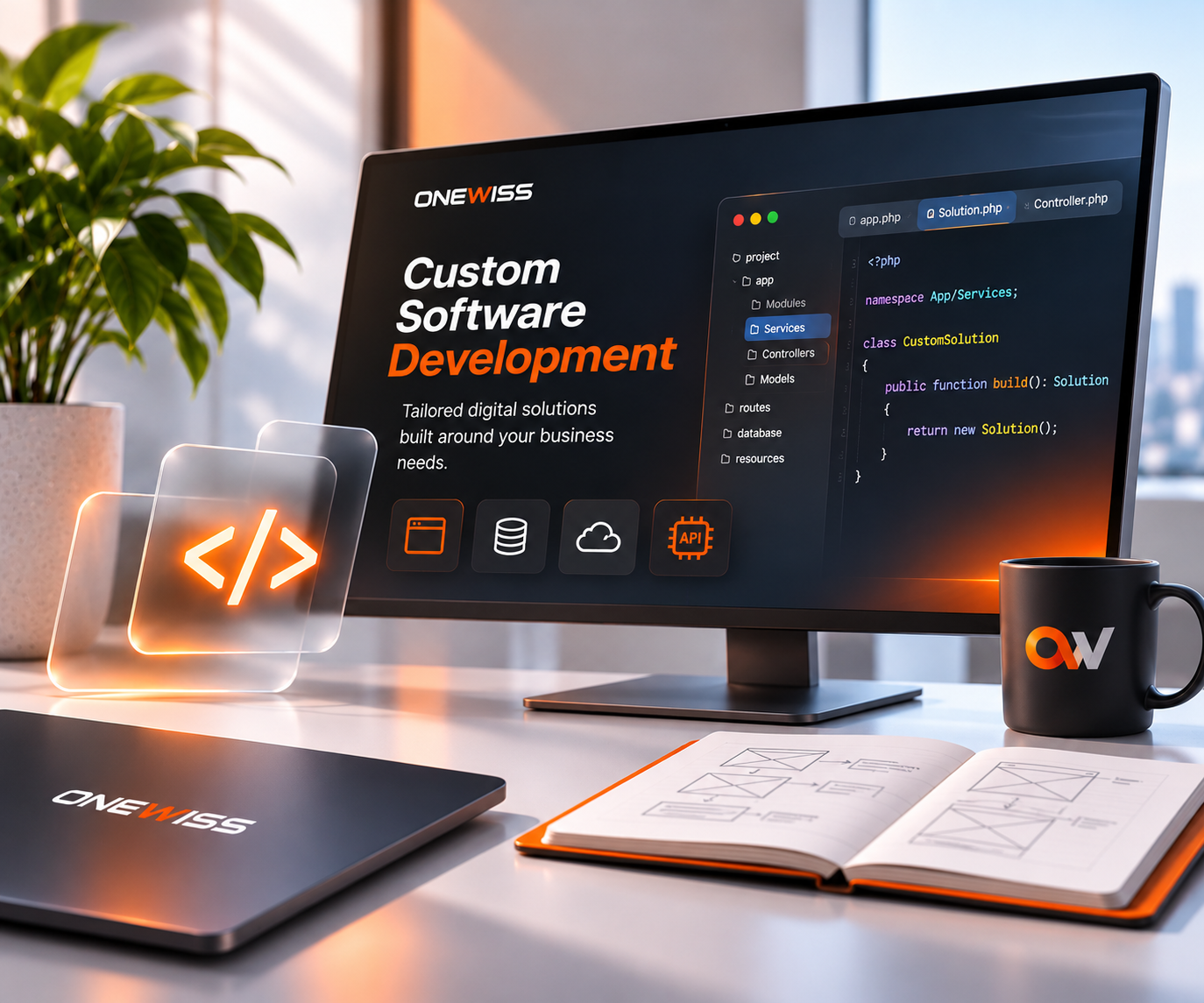
Custom software is built around specific workflows, user roles and data requirements. It may be relevant when existing tools cover only part of the work or require repeated manual transfers between systems.
OneWiss starts by understanding the process. We define what the system should do, who will use it and where information needs to be exchanged. Features are prioritised and the first delivery stage is agreed.
Internal tools, customer-facing web applications and integrations call for different planning. The approach follows the existing environment and the requirements rather than a fixed product template.
We translate business requirements into user features, data management and connections between systems, with each part serving a specific workflow.
We examine how work is completed with existing tools and where manual steps are repeated. The people, data and impact involved help identify software features that address a practical operational need.
We develop user actions, workflow states and agreed business rules. For example, receiving, processing and completing a request can form one connected workflow. Features follow your requirements and are checked against the relevant scenarios.
We plan working screens, forms and administration around user roles. Staff or customers receive the information and actions relevant to their tasks, with management controls shaped by the workflow’s practical needs.
We connect existing systems through agreed APIs and data exchange methods. Integrations can reduce repeated entry of the same information. Documentation, access and technical feasibility are assessed before a connection is confirmed.
We structure data, validation and role-based access. Where existing information needs migration, the transfer is planned as a defined part of the work. Specific security requirements and their assessment form part of the project scope.
We test core workflows and interactions between system components. Staged delivery lets you review the functionality produced, while subsequent changes, maintenance and expansion follow agreed priorities.
The cost depends on system modules, business logic and integrations. We clarify your requirements first, then prepare an individual proposal covering deliverables, timing and fees.
CRM, ERP, inventory, business rules and the scope of workflow automation.
User groups, access levels, approval stages and concurrent usage.
Work screens, custom design and simplifying complex operations.
Existing systems, APIs, file imports and data exchange rules.
Data volume, hosting environment, audit logs and access controls.
Testing, phased rollout, team handover and ongoing development.
Requirements, responsibilities and acceptance criteria are documented. Technical uncertainties are reviewed early, with changes reflected in the delivery plan.
We review the work, users, existing tools and consequences of the current problem.
We prioritise features, establish first-version boundaries and agree on acceptance criteria.
We design data structures, connections and user screens, testing technical uncertainties where needed.
Features are developed in agreed stages and checked against the relevant scenarios.
We plan data migration, access and rollout, with maintenance arrangements defined in advance.
Laravel supports business logic, access control and server-side features; React supports the working interfaces. REST APIs enable agreed data exchange, with MySQL or PostgreSQL selected around the data requirements.
Automated testing supports repeatable checks of important scenarios. Technical choices reflect the workflow, expected usage and future development. Connections to external systems are assessed against their documentation and available access.
Explore mobile app development ↗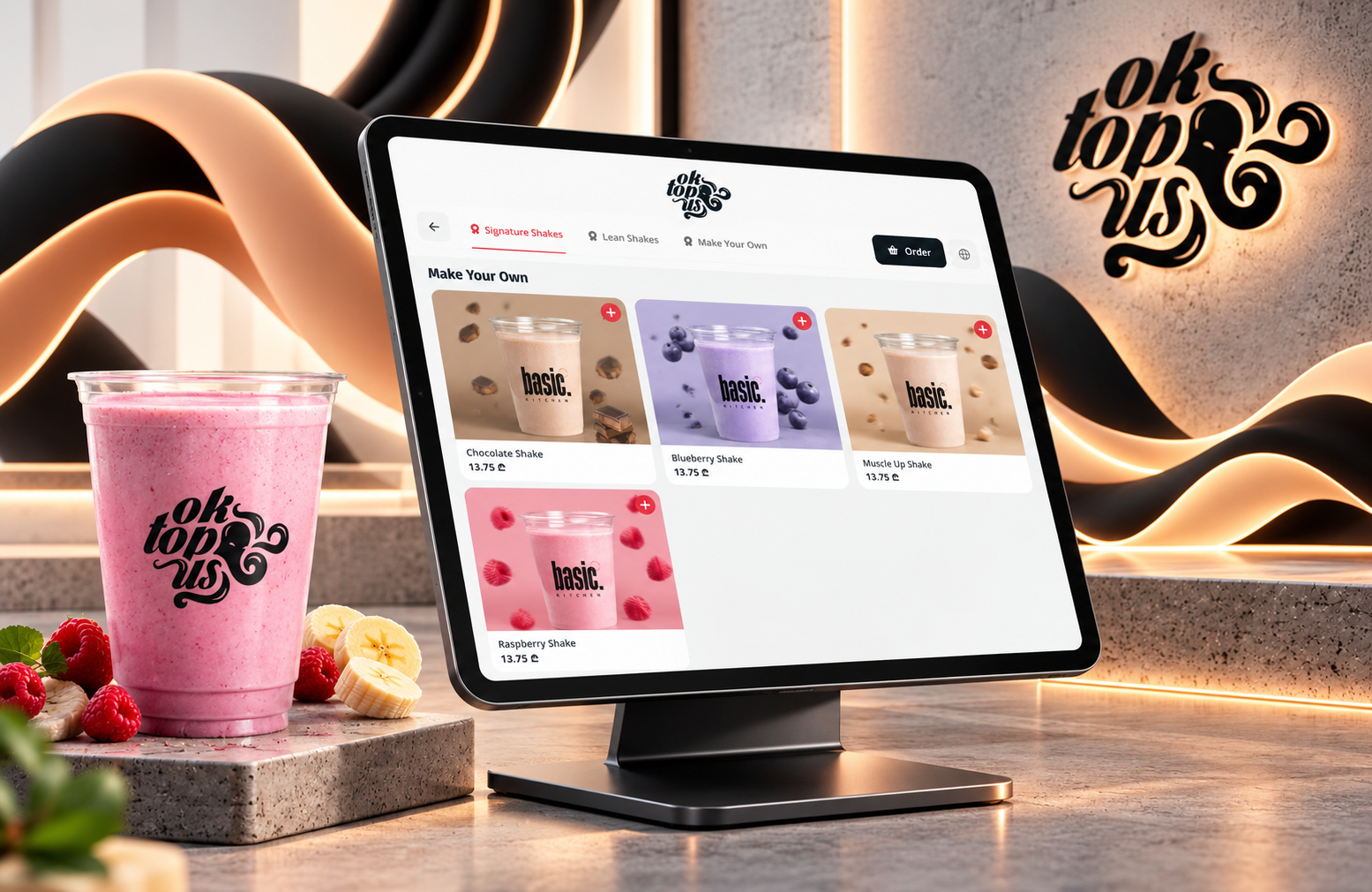 ↗
Digital Bar Management & Ordering System
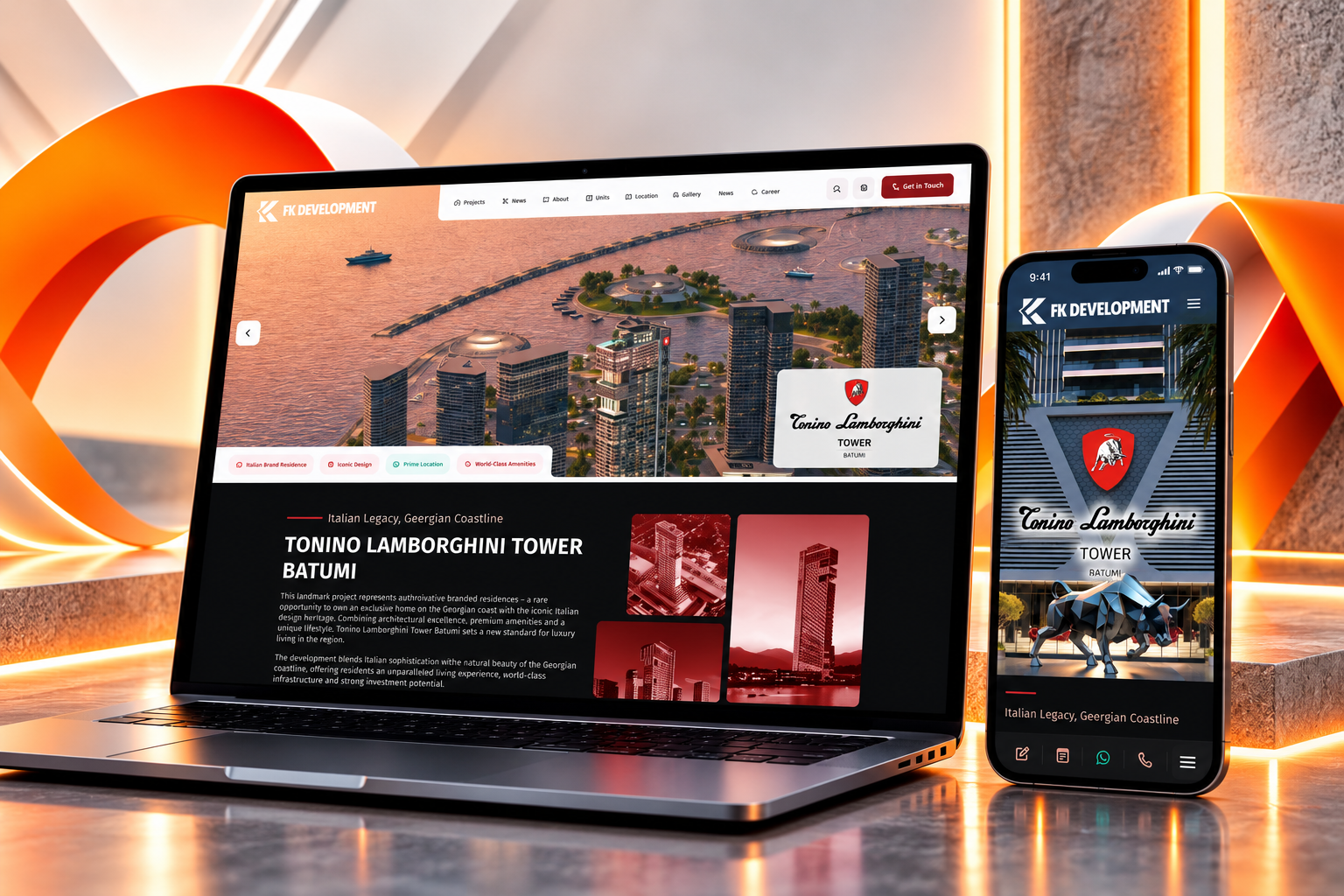 ↗
A premium website for FK Development
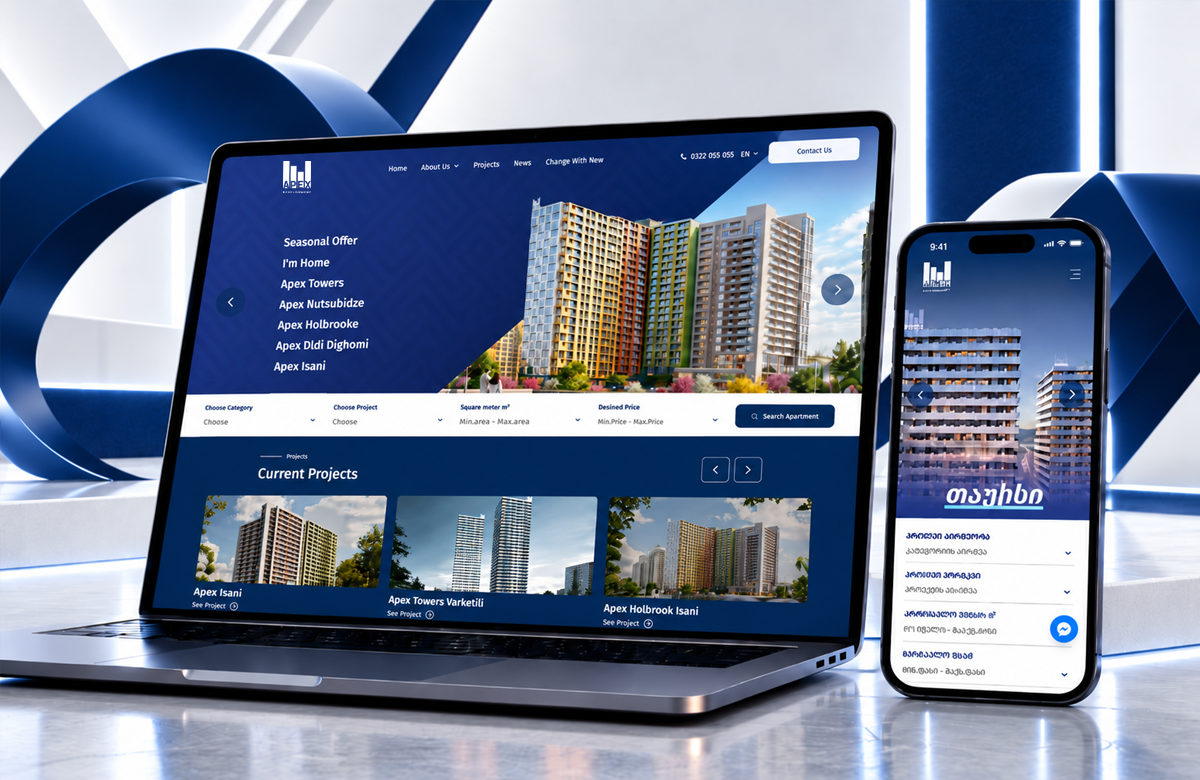 ↗
An interactive website for residential complexes
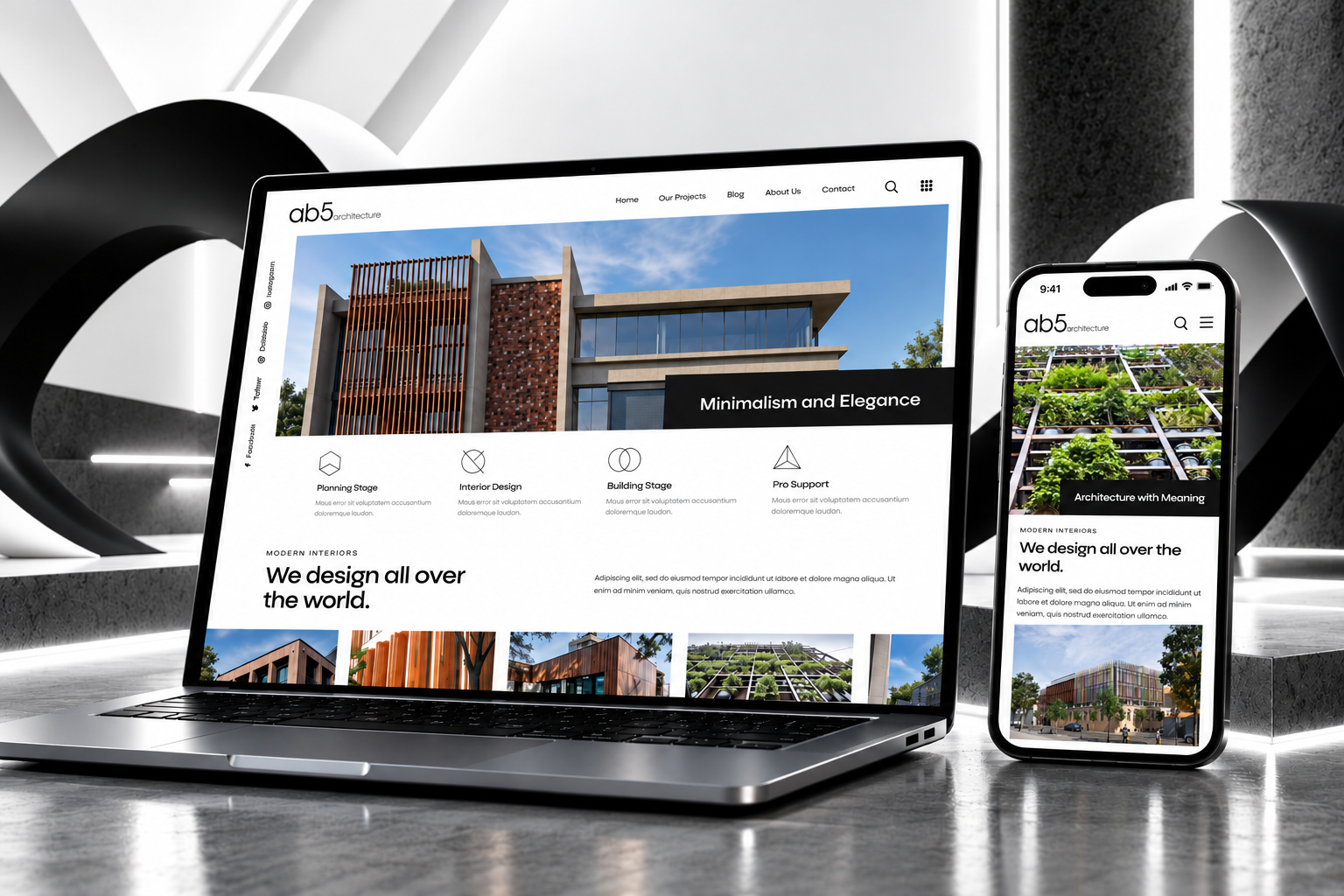 ↗
A website for an international architecture studio
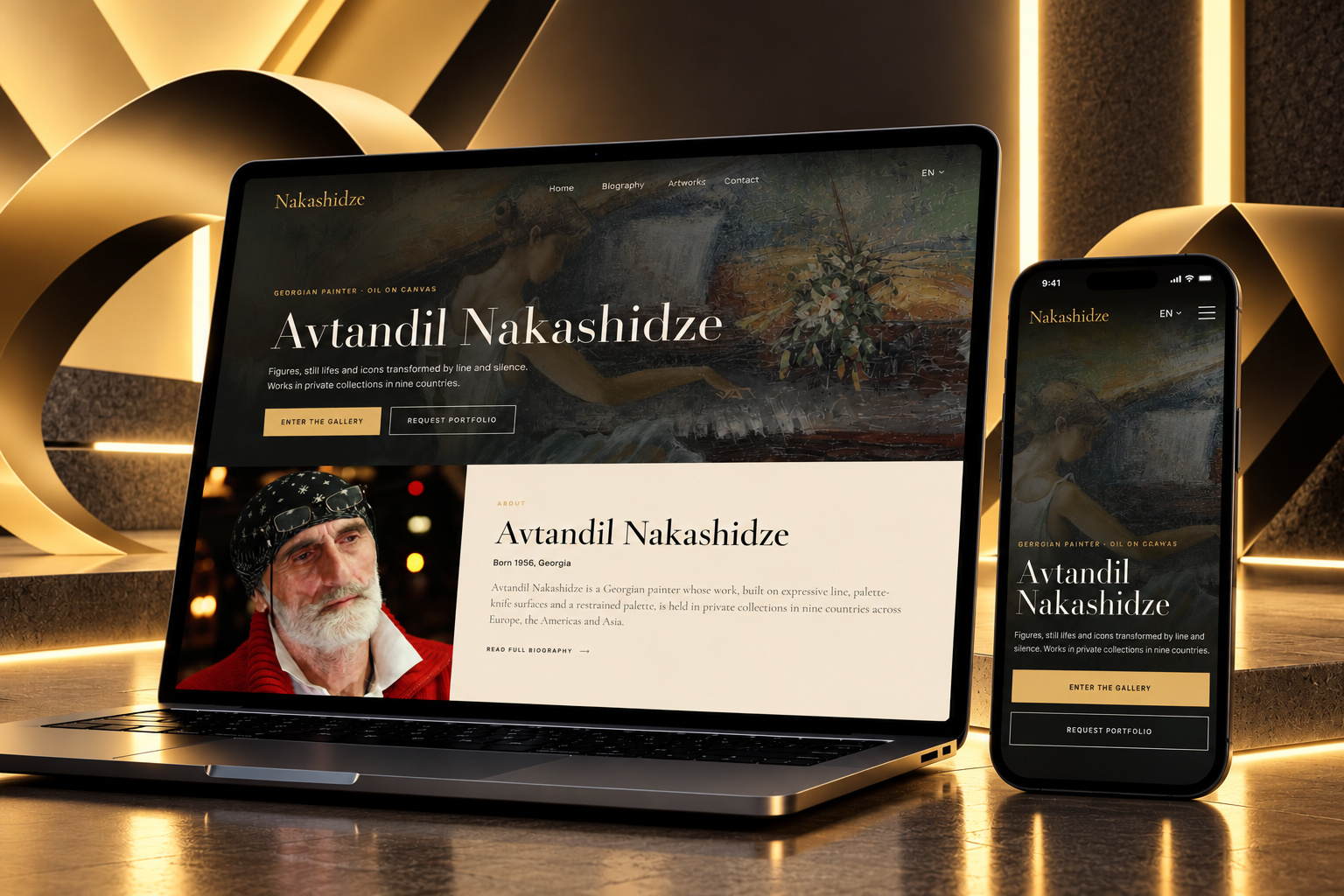 ↗
A multilingual digital gallery for an artist
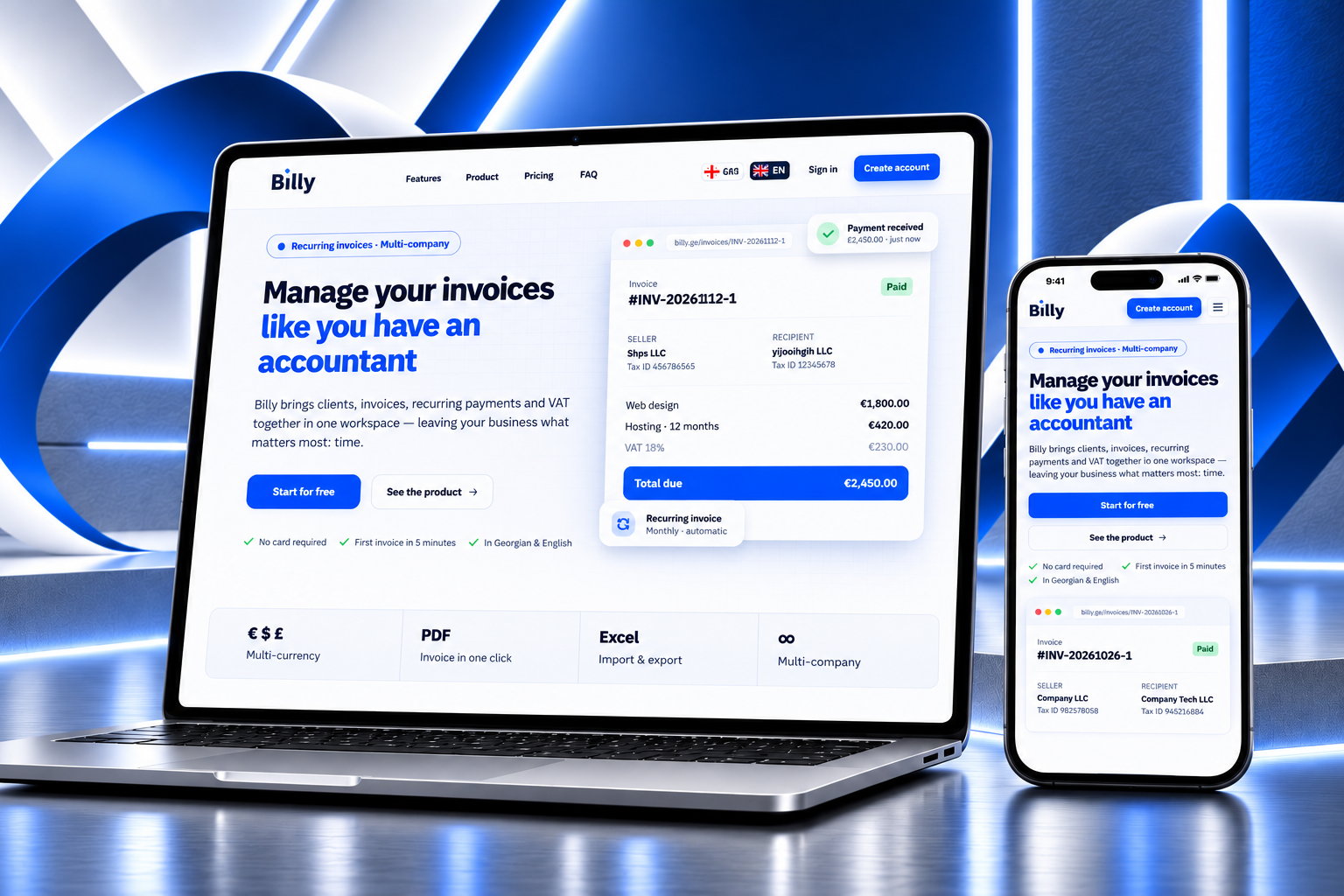 ↗
A digital invoicing platform for businesses





A custom system lets you plan important workflows around actual business requirements. Expected value is linked to specific tasks and how improvement can be assessed.
Plan your software requirements ↗Agreed automation can reduce the need for manual data transfers.
Integrations allow systems to exchange data under defined rules.
People receive the actions and information relevant to their responsibilities.
Prioritised functionality makes the scope of further development easier to assess.
Requirements clarify the features, integrations and implementation arrangements for the project.
Have another question? ↗Share the work involved, the people using it and your existing systems. We can define the required features and first stage.